LiveCareer
CV & Cover Letter
Tools For Jobseekers
in the UK
Everything you need to get the job. Professional CV and cover letter writing help.
Create a CV
Everything you need to get the job. Professional CV and cover letter writing help.
Create a CV Our customers were hired by:
Whether you’re applying for your first job, changing careers or returning to work, LiveCareer gives you the tools to help you find a career you will love.
LiveCareer is the leading destination for help with CVs, cover letters, and job decisions. With over 10 million registered users since 2005.
LiveCareer customer advisors are ready to answer your questions 7 days a week Mon–Fri 8am–8pm CST, Sat 8am–5pm CST, Sun 10am–6pm CST.
With LiveCareer, you can quickly create a CV that will attract any recruiter’s attention. Explore our professional templates, use tips from CV writing experts, adapt our sample CVs for your purposes. Give your application a boost.
Create my cv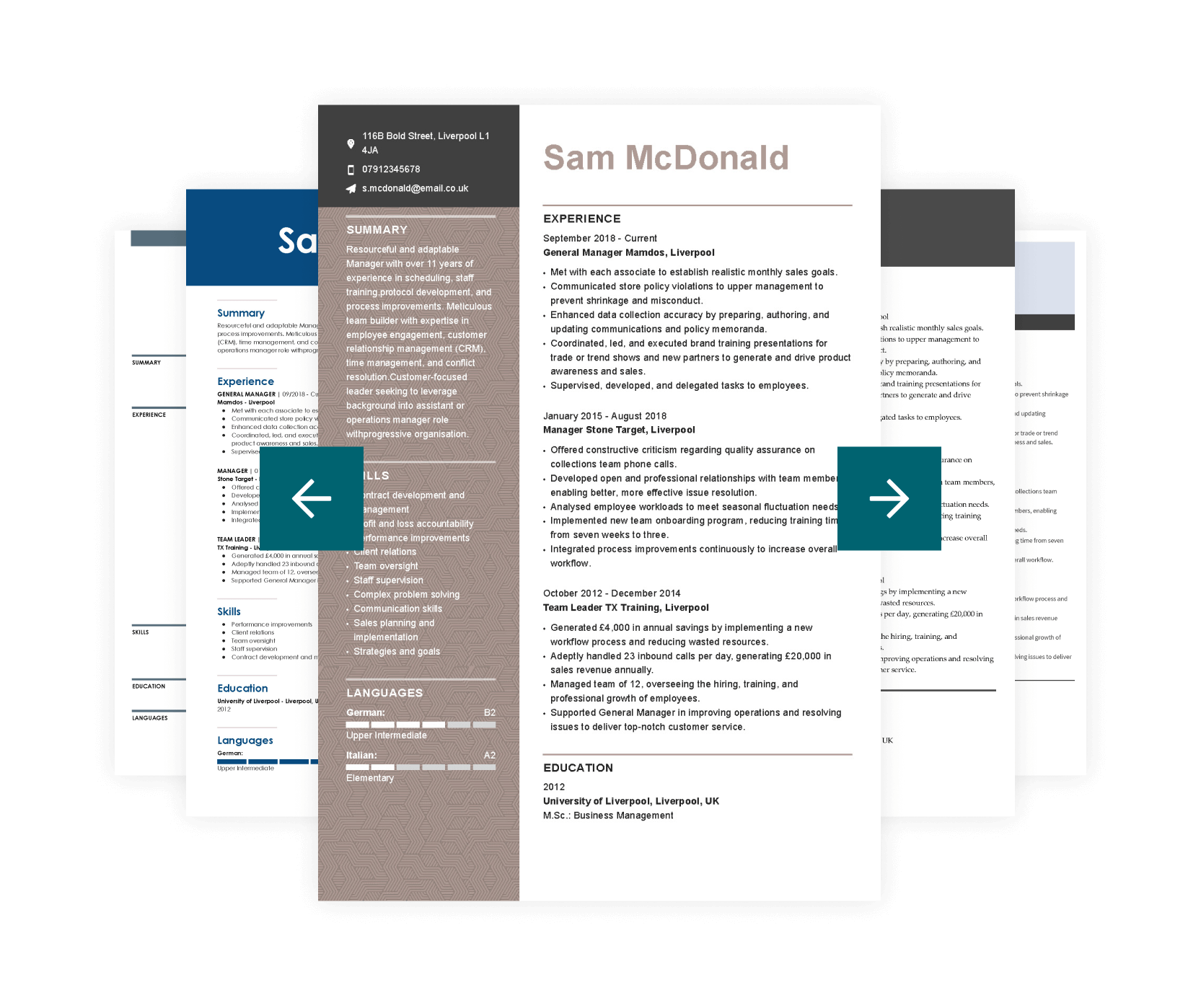
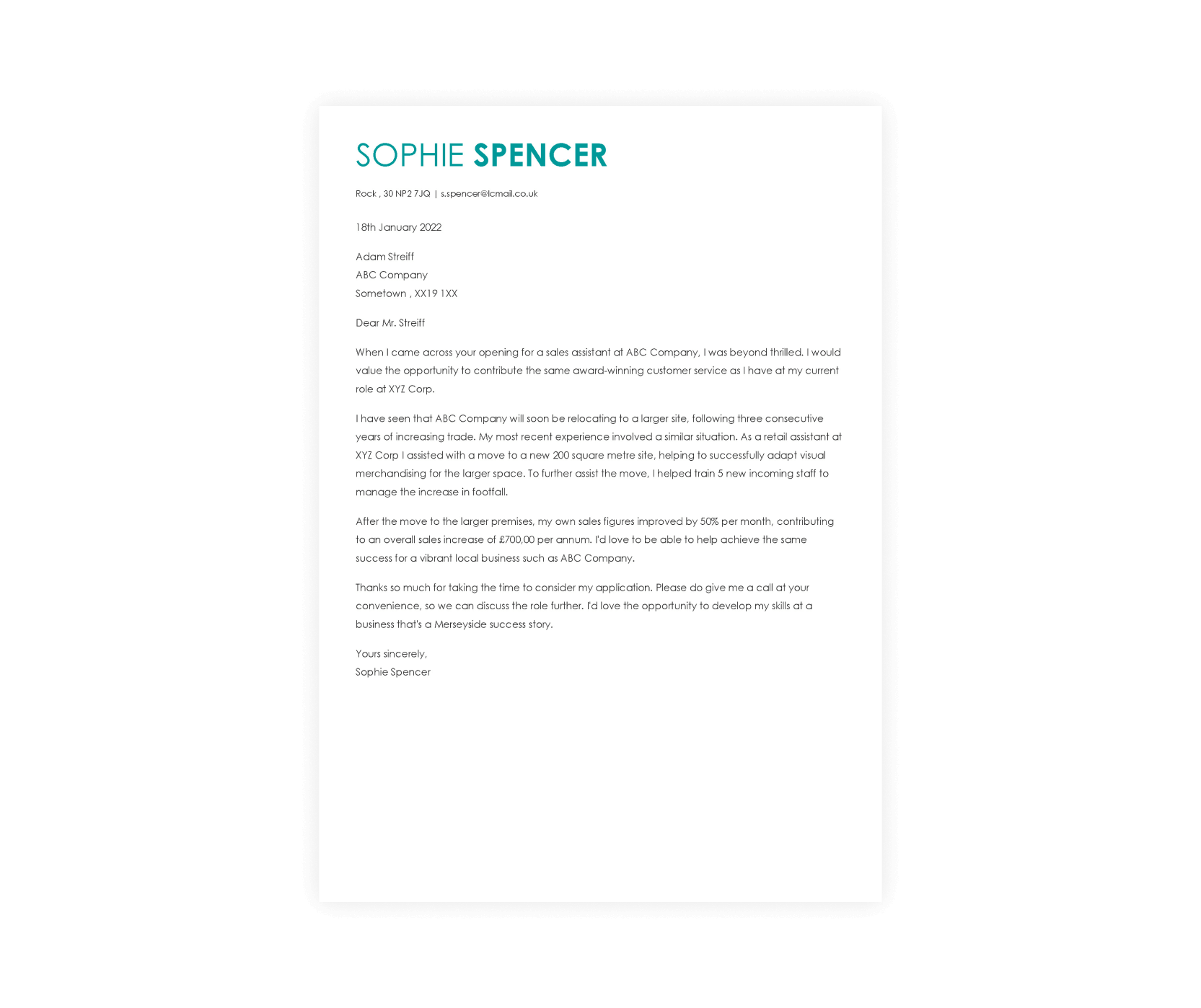
Thanks to LiveCareer, you’ll have a professional cover letter ready in just a few clicks. Cover letters aren’t a thing of the past—over 80% of recruiters consider them important for their hiring decisions.
Create my cover letterStop worrying about how to write a CV that’s efficient and effective. Our CV writing guides will show you exactly how to highlight your strengths and meet all the requirements of the recruitment process.
Create my cv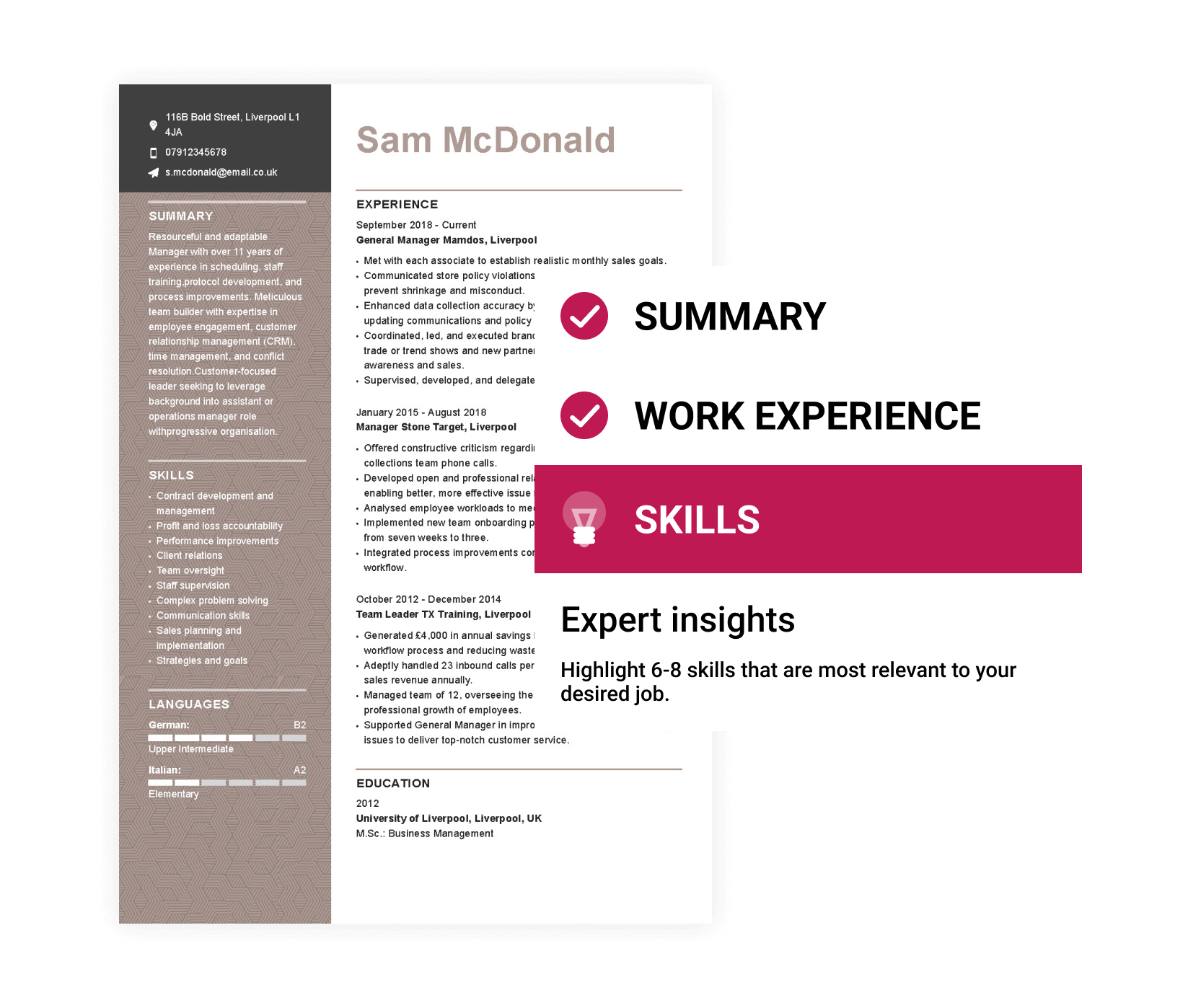
I wanted to enter a field in where I have very little experience, and LiveCareer helped me so much in making a professional CV! I got the job. Thank you!


I created my CV, and it was amazing, well-arranged, and easy to read.


Thank you, LiveCareer. You have been brilliant, helpful, accommodating, responsive, and friendly. You are one in a million! I secured my first interview after forwarding my new updated CV and cover letter. Many thanks.


This is such a fantastic service for CV writing. Every time I have sent my CV off, I have had an interview as they look so professional. Would highly recommend them, and their customer service is amazing, too.


Made putting my CV together so quick and easy. Such a helpful company, and customer service is quick and friendly. Highly recommended.


Really brilliant and easy to use. Having my previous career description spot-on really helped me pull my CV together in less than an hour.

I found the service to be very professional and polished, and I loved my CV.


Easy to use and navigate, with plenty of styles to choose from. Lots of helpful phrases and prompts to allow you to build a decent CV.


Used this service to jazz up my present CV, it now looks really professional.


Easy to use and highly customisable templates with useful and helpful suggestions. The finished CV looked impactful and professional, making me look good.


The service provided is exceptional. Tons of CV template examples.


Absolutely brilliant service and helping fill in gaps in your CV and cover letter.


Choose a CV template that perfectly suits your position, industry, work experience, and skills. Thanks to LiveCareer CV templates, you will present your most important assets, distinguish yourself from other candidates and immediately attract the employer's attention.
You don't have to worry about formatting your CV. Our CV maker will automatically adjust the look of your document to the content you enter. You can download a finished CV immediately in PDF or Word, amongst the other formats.
In the LiveCareer CV builder, you will find phrases and titles prepared by our experts and tailored to your position. You just need to complete them and insert them into the document. You will create an effective CV with these hints, even if you have no previous CV writing experience.
It doesn't matter if you're not a pro at writing job applications since our builder features a software wizard to guide you through every step. The steps are selecting a template, filling it out with your personal information, and downloading it in the desired format. That’s how easy it is.
To make the most of the CV builder, read how to write a CV and what to include in your CV to not miss out on any opportunity.
Of course! LiveCareer UK’s CV and cover letter templates are designed to pass the ATS screening tests. No matter which one you choose, you’re good to send it out.
Yes, LiveCareer UK is safe. You can read more About us to find out how much we’re invested in helping job seekers like you find paths to fulfilling careers. From a technical standpoint, the website has an encrypted connection, and your personal information is processed strictly. You can read about that here: Terms of use, Privacy policy and Cookies & tracking.
It is! LiveCareer UK has over 60 free CV examples that you can use to save yourself from extra hassle. They’re written by career experts and Certified Professional Resume Writers who are always on top of the recruitment and hiring standards. Each article comes with a CV sample and tips on how to complete each section, depending on the nature of the profession.
Yes, it does. A complete job application includes a CV paired with a compelling cover letter that emphasises your strengths and ensures your CV gets read in the first place. That’s right. Cover letters are the first thing recruiters reach out for, and with our cover letter builder, you can rest assured your CV gets into their hands, too.
Sure thing. All you have to do is generate your CV according to the prompts the software guided you through and choose the download button in the top left-hand corner. You’ll be asked which format you need, and the free download will be available under TXT format.
It’s very simple. Visit our Contact page to see when our customer service team is available to call them or send us a message directly from there.